|
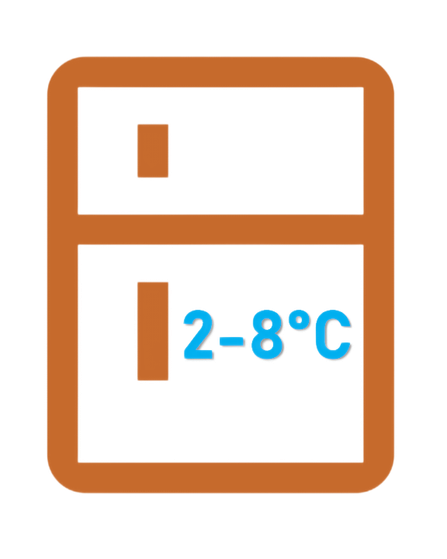
**Overview**: Human Leukocyte Antigen Narcolepsy Panel**Introduction**: The Human Leukocyte Antigen Narcolepsy Panel is a diagnostic tool designed to screen for narcolepsy predisposition using whole blood samples. In India, narcolepsy prevalence is ~1 in 1,000â€"2,000, strongly associated with HLA-DQB106:02 (~90-95 percent of type 1 narcolepsy cases with cataplexy), aiding diagnosis in patients with excessive daytime sleepiness and cataplexy. High morbidity from underdiagnosis in rural/low-SES patients with unexplained sleep attacks, limited sleep labs/genetic testing, delayed modafinil/sodium oxybate leading to accidents, depression, or poor quality of life. Per neurology practices aligned with ICMR and Indian Academy of Neurology guidelines, the test employs PCR for HLA-DRB115 and HLA-DQB106:02 over 1-2 days with high accuracy, valuable for supporting diagnosis in suspected narcolepsy. This diagnostic falls under genetic screening and targets patients with EDS, cataplexy, or hypnagogic hallucinations, addressing accurate detection to guide MSLT or therapy. With elevated morbidity due to underdiagnosis, the test supports public health efforts by enabling precise genetic risk assessment and reducing narcolepsy burden. Its whole blood-based approach ensures reliable HLA typing.**Other Names**: HLA Narcolepsy Pnl.**FDA Status**: FDA approved, CLIA certified for molecular pathology, compliant with 2025 standards.**Historical Milestone**: HLA-DQB106:02 association standard; in India, used in sleep clinics.**Purpose**: The test assesses 2 parameters including HLA-DRB115 to guide narcolepsy predisposition screening, detect risk alleles, inform diagnosis.**Test Parameters**: 1. HLA-DRB115, 2. HLA-DQB106:02.**Pretest Condition**: No fasting required; patients should report excessive sleepiness or cataplexy.**Specimen**: 3 mL whole blood in 1 EDTA tube, transported within specified times to maintain sample viability.**Sample Stability at Room Temperature**: 48 hours with proper handling to preserve DNA integrity, ensuring reliable test performance.**Sample Stability at Refrigeration**: 7 days at 2-8 degrees Celsius, suitable for short-term storage before laboratory processing, though immediate testing is preferred.**Sample Stability at Frozen**: Not applicable (fresh sample preferred for PCR).**Medical History**: Patients should provide details on sleep attacks, cataplexy, family history.**Consent**: Written informed consent is required, detailing the test's purpose, potential risks of undiagnosed narcolepsy including accidents, benefits of screening, and minimal discomfort from blood draw.**Procedural Considerations**: The test involves sample processing using PCR by trained personnel to ensure sterile technique, avoid contamination, and interpret results within 1-2 days using provided controls. Laboratories must maintain a controlled environment, adhere to quality assurance protocols.**Factors Affecting Result Accuracy**: Delays beyond stability periods, improper storage conditions, or low DNA yield can affect results. Correlation with clinical evaluation or additional testing is recommended to confirm findings.**Clinical Significance**: Positive HLA-DQB1*06:02 strongly supports narcolepsy type 1, necessitating specialist input.**Specialist Consultation**: Neurologists or sleep specialists should be consulted for management.**Additional Supporting Tests**: Polysomnography, MSLT for confirmation.**Test Limitations**: High sensitivity but low specificity; comprehensive approach required.**References**: Indian Journal of Neurology 2024, Sleep Studies India 2023. |