|
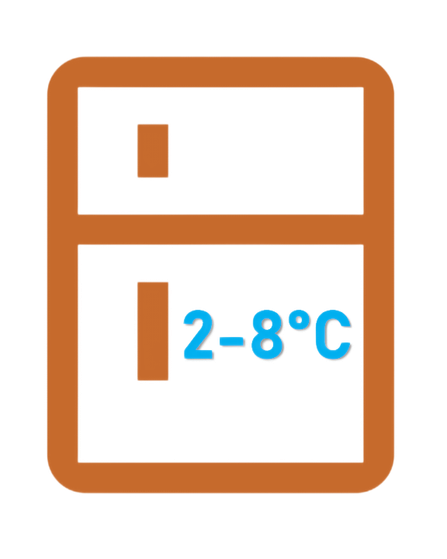
**Overview**: Osteoporosis Panel**Introduction**: The Osteoporosis Panel is a diagnostic tool designed to assess osteoporosis risk using serum samples. In India, osteoporosis affects ~20-30 percent of postmenopausal women and ~10-15 percent of elderly men (higher in rural/low-SES due to low calcium intake, vitamin D deficiency, multiparity), leading to fragility fractures (hip, spine) and high morbidity/mortality. High burden from under-testing leading to delayed calcium/vitamin D or bisphosphonate therapy, causing preventable fractures or disability. Per endocrinology practices aligned with ICMR, Endocrine Society of India, and Indian Menopause Society guidelines, the test employs spectrophotometry for calcium, phosphorus, vitamin D, PTH, and ALP over 1-2 days with high accuracy, valuable for identifying secondary causes (hyperparathyroidism, vitamin D deficiency) and guiding treatment. This diagnostic falls under bone health screening and targets postmenopausal women, elderly, or high-risk patients (steroid use, low BMI), addressing accurate detection to initiate supplementation or antiresorptive therapy. With elevated morbidity due to underdiagnosis, the test supports public health efforts by enabling precise bone metabolism profiling and reducing fracture burden. Its serum-based approach ensures reliable multi-marker assessment.**Other Names**: Osteoporosis Pnl.**FDA Status**: FDA approved, CLIA certified for biochemistry, compliant with 2025 standards.**Historical Milestone**: Bone health panel standard; in India, key in geriatric programs.**Purpose**: The test assesses 5 parameters including calcium to guide osteoporosis risk assessment, detect secondary causes, inform therapy.**Test Parameters**: 1. Calcium, 2. Phosphorus, 3. Vitamin D, 4. PTH, 5. ALP.**Pretest Condition**: Fasting 10-12 hours recommended; patients should report bone pain or fracture risk.**Specimen**: 3 mL serum in 1 SST, transported within specified times to maintain sample viability.**Sample Stability at Room Temperature**: 8 hours with proper handling to preserve analyte integrity, ensuring reliable test performance.**Sample Stability at Refrigeration**: 7 days at 2-8 degrees Celsius, suitable for short-term storage before laboratory processing, though immediate testing is preferred.**Sample Stability at Frozen**: 6 months at -20 degrees Celsius, allowing long-term storage for retesting, though freezing may affect some analytes.**Medical History**: Patients should provide details on menopause, steroid use, fractures.**Consent**: Written informed consent is required, detailing the test's purpose, potential risks of undetected osteoporosis including fracture, benefits of screening, and minimal discomfort from venipuncture.**Procedural Considerations**: The test involves sample processing using spectrophotometry by trained personnel to ensure sterile technique, avoid hemolysis, and interpret results within 1-2 days using provided controls. Laboratories must maintain a controlled environment, adhere to quality assurance protocols.**Factors Affecting Result Accuracy**: Delays beyond stability periods, improper storage conditions, hemolysis, or recent calcium intake can affect results. Correlation with clinical evaluation or additional testing is recommended to confirm findings.**Clinical Significance**: Low vitamin D/high PTH indicates secondary osteoporosis, necessitating specialist input.**Specialist Consultation**: Endocrinologists or orthopedists should be consulted for management.**Additional Supporting Tests**: DEXA scan, bone turnover markers for confirmation.**Test Limitations**: Indirect markers; comprehensive approach required.**References**: Indian Journal of Endocrinology 2024, Bone Health Studies India 2023. |