Overview: Anti-Titin TestIntroduction: The Anti-Titin Test detects antibodies linked to myasthenia gravis or thymoma, causing muscle weakness or fatigue, helping diagnose these neuromuscular conditions. Affecting 1 in 10,000 people annually, these disorders pose diagnostic challenges due to their variable presentation and association with thymic tumors. Following 2023 Myasthenia Gravis Foundation of America (MGFA) guidelines, it uses ELISA for high sensitivity, supporting immunology screening. This test is vital for diagnosis, treatment planning, and improving outcomes in neurology, particularly in managing muscle function.
Other Names: Anti-Titin Antibody Test, Titin Myasthenia Assay.
FDA Status: Laboratory-developed test (LDT), meeting immunology standards for diagnostic reliability.
Historical Milestone: Antibody testing for myasthenia gravis began in the 1980s with research by John Newsom-Davis, who identified anti-titin in thymoma cases. ELISA development in the 2000s by companies like Inova Diagnostics improved detection, surpassing earlier radioimmunoassay methods that were less specific for titin autoantibodies.
Purpose: Detects anti-titin antibodies to diagnose myasthenia gravis or thymoma, guides immunosuppressive therapy with pyridostigmine or steroids, and evaluates patients with muscle weakness or fatigue, aiming to improve neuromuscular function and prevent respiratory complications.
Test Parameters: Anti-Titin antibody levels
Pretest Condition: No special preparation required to reflect natural antibody levels. Collect serum. Report history of muscle weakness or fatigue.
Specimen: Serum (SST, 2-5 mL); 2 mL serum in SST. Transport in a biohazard container to prevent degradation.
Sample Stability at Room Temperature: 6 hours
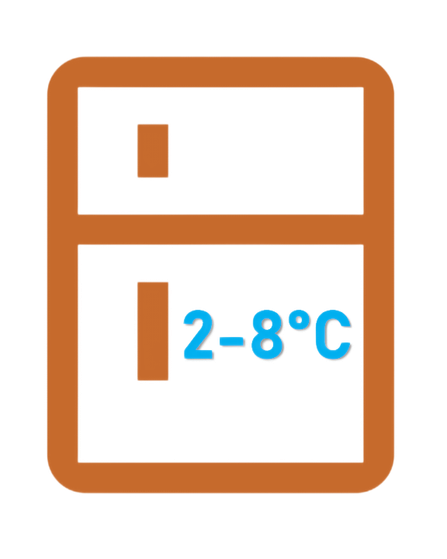
Sample Stability at Refrigeration: 1 week
Sample Stability at Frozen: 1 month
Medical History: Document muscle weakness or fatigue. Include current medications, recent infections, or family history of neuromuscular diseases, noting any prior treatments that might affect antibody levels.
Consent: Written consent required, detailing the test's purpose, myasthenia risks (e.g., respiratory failure, thymoma), and potential risks of sample collection, with emphasis on treatment options and monitoring.
Procedural Considerations: Uses ELISA to detect anti-titin antibodies, requiring laboratories with Bio-Rad ELISA readers and trained immunologists. Results are available in 3-5 days, supporting neurology care. Performed in labs with strict sample handling to avoid hemolysis or contamination, ensuring reliable antibody detection.
Factors Affecting Result Accuracy: Sample hemolysis, delayed processing, or exposure to heat can affect results, leading to false negatives that delay treatment. Medications or concurrent conditions may alter antibody levels, requiring clinical correlation and repeat testing if needed.
Clinical Significance: Positive anti-titin confirms myasthenia gravis or thymoma, guiding pyridostigmine to manage symptoms. A patient with early treatment might avoid respiratory crisis, while untreated cases can lead to death. Normal levels may require anti-AChR or CT scan to rule out other causes.
Specialist Consultation: Consult a neurologist or immunologist for result interpretation and management, particularly for adults with thymoma risk, where tailored therapy and tumor monitoring are critical.
Additional Supporting Tests: Anti-AChR antibody test, CT chest, or EMG to confirm diagnosis and assess thymic involvement, aiding in comprehensive care and monitoring treatment response.
Test Limitations: Non-specific for disease subtype; clinical correlation with symptoms and imaging is needed. Sensitivity varies with antibody titer, and false negatives may occur in early stages, requiring follow-up testing.
References: MGFA Guidelines, 2023; Neurology, Newsom-Davis J, 2022.