Overview: Cystic Fibrosis Newborn Screen (CF NBS) TestIntroduction: The Cystic Fibrosis Newborn Screen Test screens newborns for cystic fibrosis, causing lung infections or digestive issues. Following 2023 CFF guidelines, it uses PCR for high specificity, aiding in newborn screening. This test is critical for guiding early diagnosis, treatment, and improving outcomes in molecular pathology for newborns with suspected cystic fibrosis.
Other Names: CF NBS Assay, Cystic Fibrosis Screening Test.
FDA Status: Laboratory-developed test (LDT), meeting molecular pathology standards for diagnostic accuracy.
Historical Milestone: Cystic fibrosis screening began in the 1970s with immunoreactive trypsinogen tests. PCR-based mutation detection emerged in the 1990s, and by the 2000s, expanded panels improved accuracy.
Purpose: Screens for cystic fibrosis, guides early intervention, and monitors genetic mutations in newborns with lung or digestive symptoms.
Test Parameters: 1. Cystic Fibrosis Mutations
Pretest Condition: No fasting required. Collect dried blood spot within 24-48 hours of birth. Report family history of cystic fibrosis or newborn symptoms.
Specimen: 2-4 dried blood spots (filter paper). Transport in a biohazard bag within 24 hours.
Sample Stability at Room Temperature: 24 hours
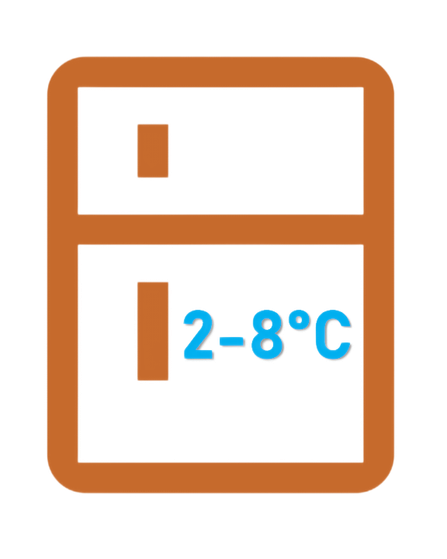
Sample Stability at Refrigeration: 48 hours
Sample Stability at Frozen: Not frozen
Medical History: Document family history of cystic fibrosis or newborn symptoms like failure to thrive. Include any prenatal genetic testing results.
Consent: Written parental consent required, detailing the tests purpose, diagnostic implications, and potential need for early intervention.
Procedural Considerations: Uses PCR to detect cystic fibrosis mutations (e.g., CFTR gene). Results are available in 1-2 days, enabling rapid clinical decisions.
Factors Affecting Result Accuracy: Contamination or improper storage can affect results. Low DNA yield may reduce sensitivity.
Clinical Significance: Positive results indicate cystic fibrosis risk, prompting confirmatory testing and early treatment. Negative results support routine monitoring.
Specialist Consultation: Consult a pediatric pulmonologist or geneticist for result interpretation.
Additional Supporting Tests: Sweat chloride test, CFTR sequencing, or chest imaging to confirm cystic fibrosis.
Test Limitations: False negatives may occur with rare mutations. Results require clinical correlation.
References: CFF Newborn Screening Guidelines, 2023; Journal of Cystic Fibrosis, Farrell PM, 2022.