Overview: HLA DSA-SAB Class I TestIntroduction: The HLA DSA-SAB Class I Test detects IgG antibodies to HLA Class I antigens to assess transplant rejection risk. Following 2023 ASHI guidelines, it uses immunoassays for high specificity, supporting transplant screening. This test is critical for guiding transplant decisions, managing rejection risk, and improving outcomes in molecular pathology for patients undergoing organ or bone marrow transplantation.
Other Names: HLA DSA-SAB I Assay, HLA Class I Antibody Test.
FDA Status: Laboratory-developed test (LDT), meeting molecular pathology standards for diagnostic accuracy.
Historical Milestone: HLA antibody screening began in the 1970s with transplant immunology. Immunoassay-based DSA testing improved in the 2000s, enhancing rejection risk assessment.
Purpose: Detects IgG antibodies to HLA Class I to assess transplant rejection risk and guide immunosuppression in patients.
Test Parameters: 1. HLA Class I IgG Antibodies
Pretest Condition: No fasting required. Collect serum at any time. Report history of transplants, transfusions, or pregnancies, and list medications.
Specimen: 2-5 mL serum (SST). Centrifuge within 1 hour. Transport in a biohazard bag within 24 hours.
Sample Stability at Room Temperature: 24 hours
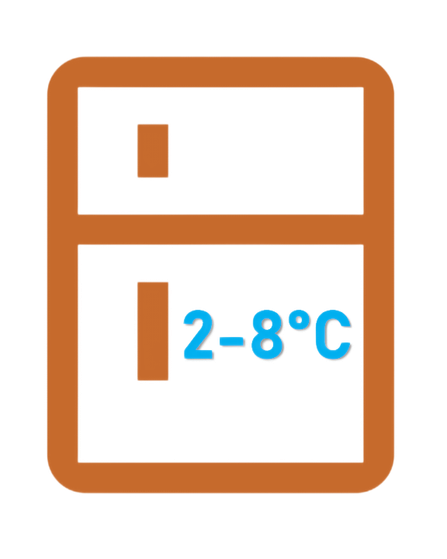
Sample Stability at Refrigeration: 48 hours
Sample Stability at Frozen: Not frozen
Medical History: Document history of transplants, transfusions, pregnancies, or HLA sensitization. Include current medications, especially immunosuppressants, and prior transplant history.
Consent: Written consent required, detailing the tests purpose, rejection risk implications, and potential need for immunosuppression planning.
Procedural Considerations: Uses immunoassays (e.g., Luminex-based single antigen bead assay) to detect IgG antibodies to HLA Class I. Results are available in 3-5 days, supporting clinical decisions. Performed in laboratories, often for transplant risk assessment.
Factors Affecting Result Accuracy: Improper sample handling, contamination, or recent transfusions/pregnancies can affect results. Non-HLA antibodies may cause false positives.
Clinical Significance: Positive DSA indicates increased rejection risk, guiding immunosuppression or donor selection. Negative results suggest lower risk but require monitoring.
Specialist Consultation: Consult a transplant immunologist or nephrologist for result interpretation and transplant planning.
Additional Supporting Tests: HLA Class II antibody testing, crossmatch testing, or complement-dependent cytotoxicity to confirm rejection risk.
Test Limitations: Limited to HLA Class I; other antibody types may need testing. Clinical correlation is needed.
References: ASHI HLA Guidelines, 2023; American Journal of Transplantation, Tambur AR, 2022.