Overview: Random Glucose TestIntroduction: The Random Glucose Test measures glucose levels at any time to diagnose diabetes, causing thirst or fatigue. Following 2023 ADA guidelines, it uses spectrophotometry for high sensitivity, aiding in metabolic screening. This test is critical for guiding diagnosis, treatment, and improving outcomes in biochemistry for patients with suspected diabetes. It is particularly useful in urgent settings to quickly assess glucose levels without fasting requirements.
Other Names: Glucose Random Assay, Non-Fasting Glucose Test.
FDA Status: Laboratory-developed test (LDT), meeting biochemistry standards for diagnostic accuracy.
Historical Milestone: Random glucose testing emerged in the 1970s for rapid diabetes screening. Spectrophotometry advancements in the 1980s improved accuracy for point-of-care testing.
Purpose: Diagnoses diabetes, guides treatment, and monitors random glucose levels in patients with thirst, fatigue, or frequent urination.
Test Parameters: 1. Glucose (Random)
Pretest Condition: Fasting for 10-12 hours preferred but not required. Collect plasma or serum at any time. Report symptoms like thirst, fatigue, or polyuria, and list medications.
Specimen: 2-4 mL plasma (NaF) or 2-5 mL serum (SST). Centrifuge within 1 hour. Transport in a biohazard bag within 24 hours.
Sample Stability at Room Temperature: 24 hours
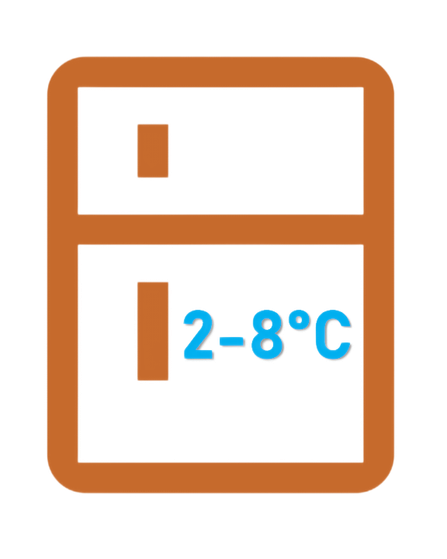
Sample Stability at Refrigeration: 48 hours
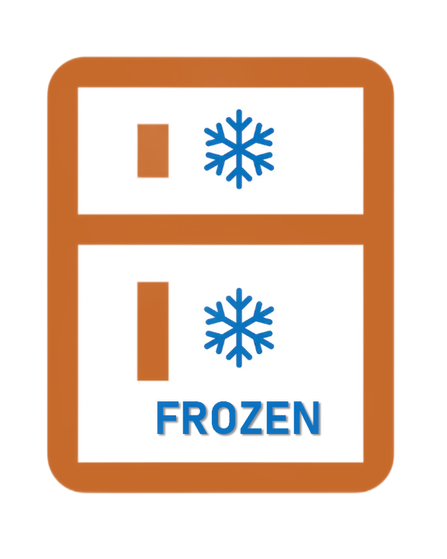
Sample Stability at Frozen: Not frozen
Medical History: Document thirst, fatigue, polyuria, or history of diabetes. Include current medications, especially antidiabetics, and recent dietary habits.
Consent: Written consent required, detailing the tests purpose, diagnostic implications, and potential need for diabetes treatment or further testing.
Procedural Considerations: Uses spectrophotometry to measure random glucose levels. Results are available in 1-2 days, enabling rapid clinical decisions. Performed in laboratories, suitable for urgent or outpatient settings.
Factors Affecting Result Accuracy: Recent meals, hemolysis, or medications (e.g., corticosteroids) can affect results. Stress or illness may alter glucose levels, requiring careful interpretation.
Clinical Significance: Elevated random glucose levels suggest diabetes, prompting confirmatory testing (e.g., HbA1c). Normal levels may require further evaluation in symptomatic patients.
Specialist Consultation: Consult an endocrinologist for result interpretation and diabetes management planning.
Additional Supporting Tests: HbA1c, fasting glucose, OGTT, or C-peptide to confirm diabetes diagnosis.
Test Limitations: Non-fasting results may vary due to recent food intake. Clinical correlation and confirmatory testing are essential for accuracy.
References: ADA Diabetes Guidelines, 2023; Diabetes Care, Nathan DM, 2022.